At a glance
- Australia’s vehicle market is expanding, with more emerging brands competing for a place on fleet shortlists
- An unfamiliar badge can sit behind a major global automotive group, bringing significant manufacturing, technology and investment capabilities
- Parent-company scale can provide useful context, but doesn’t guarantee the same servicing, warranty, parts support or resale performance across brands
- Fleet managers should look beyond the badge and consider locals support, whole-of-life costs, residual values and whether the vehicle is fit for their operational needs
Australia’s new vehicle market is changing quickly. Alongside familiar manufactures such as Toyota, Ford and Hyundai, a growing number of new brands are giving businesses more choice when selecting vehicles for their fleets.
Many of these newer names are backed by automotive groups that are larger and more established than the badge might suggest.
At the beginning of 2026, there were 22 Chinese automotive brands from 12 different manufacturers on sale in Australia, accounting for more than a quarter of all brands in the market. Cox Automotive expects Chinese manufacturers to continue expanding their presence, including an increased focus on fleet buyers.
The shift is already visible. In February 2026, China became Australia’s largest source of new vehicles in a single month for the first time, with 22,362 Chinese-built vehicles sold compared with 21,671 from Japan.
With more brands competing for a place on Australian fleets, understanding who sits behind the badge can provide useful context. But how much should ownership influence a fleet decision?
More brands, fewer automotive families
Car brand ownership has never been as straightforward as the badge on the bonnet.
Toyota and Lexus are familiar examples of two brands sitting within the same automotive company. But some automotive groups now encompass a much wider range of brands, including several that have only recently arrived in Australia.
| Automotive Group |
Australian-relevant brands |
| Toyota Motor Corporation |
Toyota • Lexus |
| Volkswagen Group |
Volkswagen • Audi • Škoda • CUPRA • Porsche • Bentley • Lamborghini |
| BMW Group |
BMW • Mini • Rolls-Royce |
| Hyundai Motor Group |
Hyundai • Kia • Genesis |
| Stellantis |
Jeep • Peugeot • Citroën • Fiat • Abarth • Alfa Romeo • Leapmotor • RAM • Maserati |
| Geely Holding |
Geely • Volvo • Polestar • Zeekr • Lotus • smart |
| SAIC Motor |
MG • LDV/Maxus • IM Motors |
| Chery Group |
Chery • OMODA • JAECOO |
| BYD |
BYD • DENZA |
| GWM |
GWM • Haval • Tank • Ora |
| Changan Automobile |
Changan • Deepal • Avatr |
| Tata Motors |
Jaguar • Land Rover |
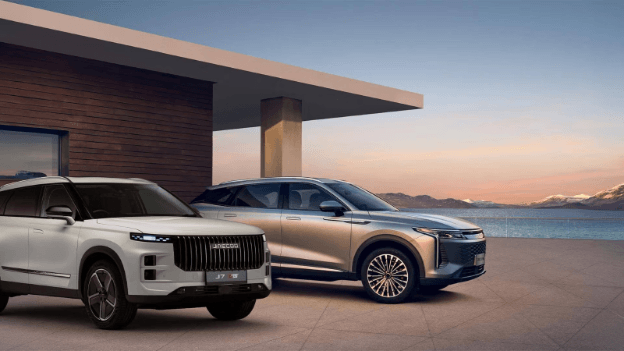
The scale behind some of the newer names can be easy to underestimate. Geely Holding’s portfolio includes equity stakes and investments across brands including Zeekr, Volvo Cars, Polestar and Lotus. Across its portfolio brands, the group recorded 4.12 million vehicle sales globally in 2025.
SAIC Motor sold 4.5 million vehicles globally in 2025, which was a 12.3% increase from 2024, with its self-owned brands including MG, IM and Maxus accounting for nearly 3 million of those sales.
For fleet managers, this means a relatively unfamiliar badge doesn’t necessarily represent an inexperienced or small-scale manufacturer.
Does the company behind the badge matter?
Knowing who owns a vehicle brand can provide useful context when assessing a new entrant, particularly when there is limited Australian history behind the badge.
However, parent-company ownership shouldn’t be treated as a shortcut for assessing the vehicle itself.
Being part of a larger automotive group may provide access to significant investment, engineering resources, manufacturing capability and technology. Depending on the group, vehicle architectures, powertrains, battery technology and other systems may also be shared across brands.
But common ownership doesn’t mean two brands will necessarily offer the same vehicles, warranties, servicing arrangements, parts supply or customer experience in Australia.
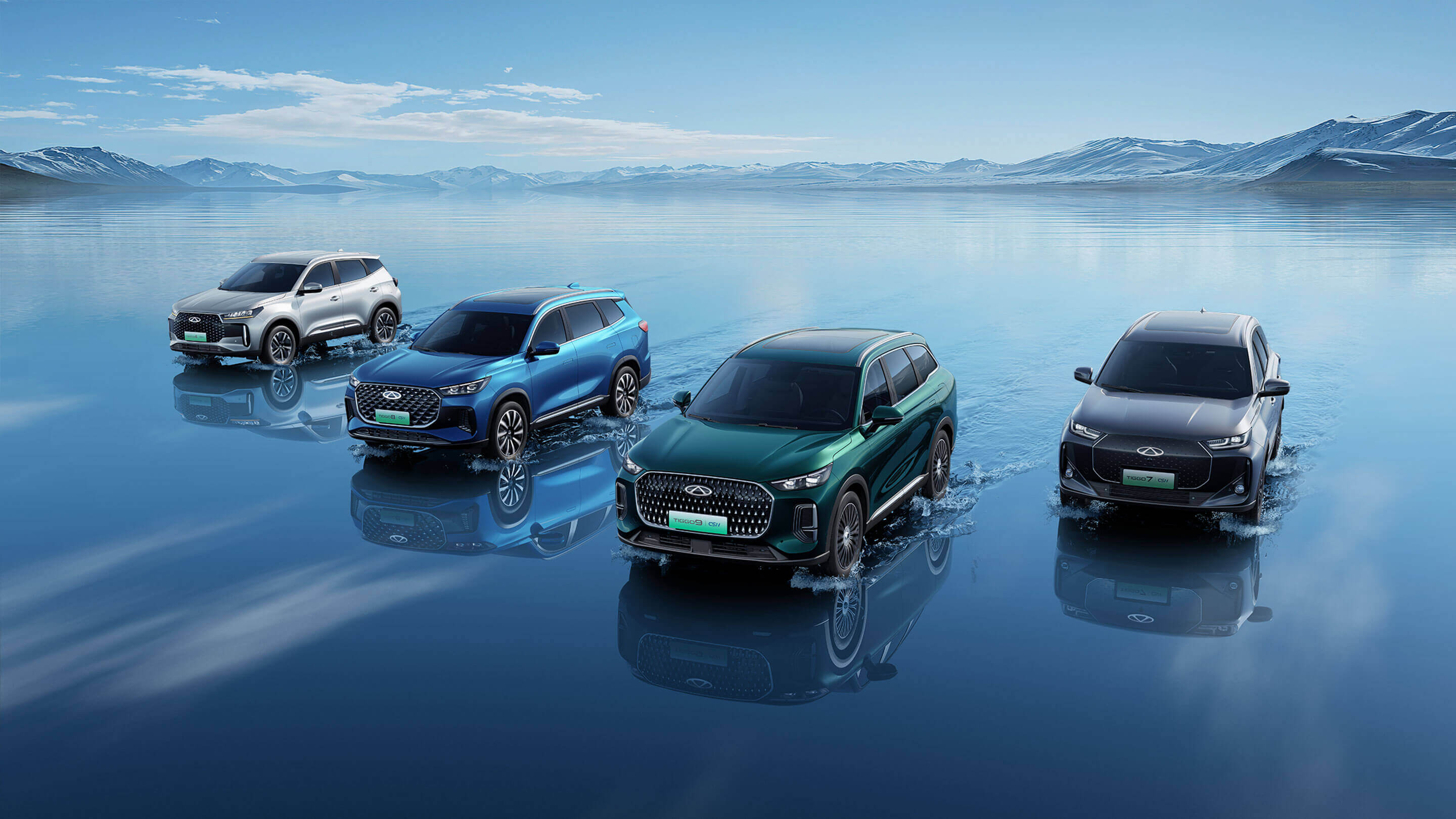
For businesses, the question there shouldn’t simply be:
“Who owns this brand?”
It should be:
“What sits behind this brand, and does the complete package meet our fleet requirements?”
What should Fleet Managers look for?
When an unfamiliar manufacturer or vehicle appears on a fleet shortlist, there are several factors worth considering alongside its parent company?
Local Servicing and support
A manufacturer’s global scale is useful context, but fleets operate locally.
Consider the availability of servicing, authorised repairers and roadside support in the locations where your vehicles operate. For geographically dispersed fleets, the suitability of the support network can be particularly important.
Parts availability and downtime
Vehicle downtime has a direct impact on productivity and operating costs.
Parts availability, repair times and the manufacturer's local supply chain should therefore be considered alongside the upfront cost of the vehicle.
Warranty coverage
Long warranty periods can be attractive, but fleet managers should look beyond the headline number.
Consider what the warranty covers, any kilometre limits or conditions that apply to commercial use, battery coverage for electrified vehicles, and the roadside assistance provided with the vehicle.
Whole-of-life costs
A lower purchase price doesn’t necessarily mean a lower-cost fleet vehicle.
Fuel or electricity consumption, scheduled servicing, tyres, insurance, maintenance, downtime and depreciation can all affect the cost of operating a vehicle over its lifecycle.
This becomes particularly important when comparing an established vehicle with a newer market entrant offering a significantly lower acquisition price.
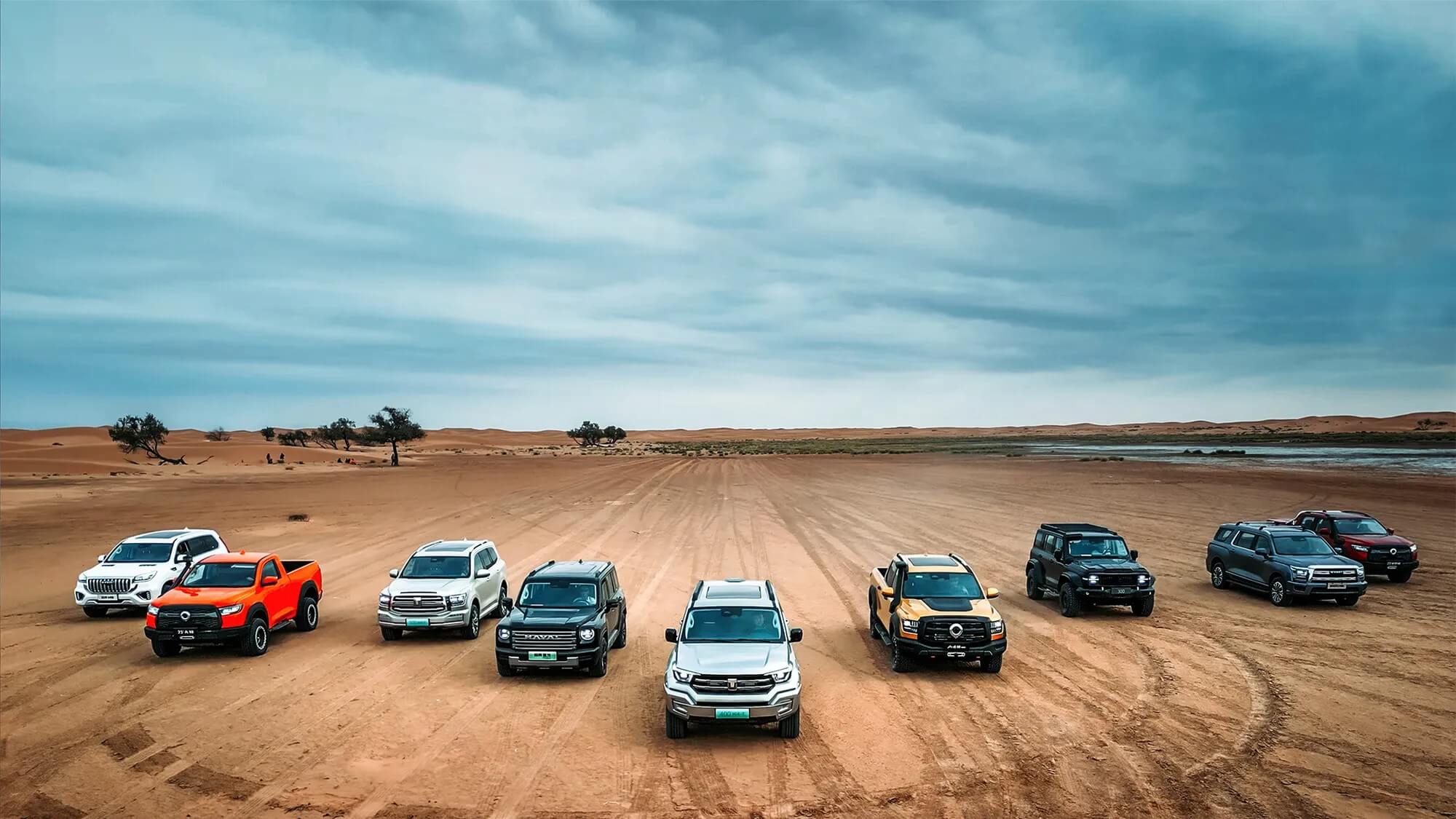
Residual Value
Residual value can have a significant impact on the whole-of-life cost of a fleet vehicle. Depreciation is typically one of the largest fleet costs, with industry analysis estimating it at around 40% of total cost of ownership.
Put simply, the amount recovered when a vehicle is sold can make a substantial difference to overall cost. Higher resale return can even offset a higher initial purchase price when comparing vehicles on a whole-of-life basis.
This can create additional uncertainty when assessing newer brands. With less Australian resale history available, it can be harder to forecast what a vehicle will be worth at the end of its fleet life.
That doesn’t necessarily mean a newer brand will perform poorly on the used market. Residual values are influenced by factors including the make and model, vehicle type, usage and broader market conditions. For Australian commercial vehicles, residual values typically range from 35-55% of the original purchase price after three to give years, illustrating how much value can remain tied to the vehicle at disposal.
For fleet managers, this makes residual value an important consideration alongside purchase price, servicing, maintenance and other operating costs when comparing established and emerging brands.
Chinese brands and the next phase of Australian fleets
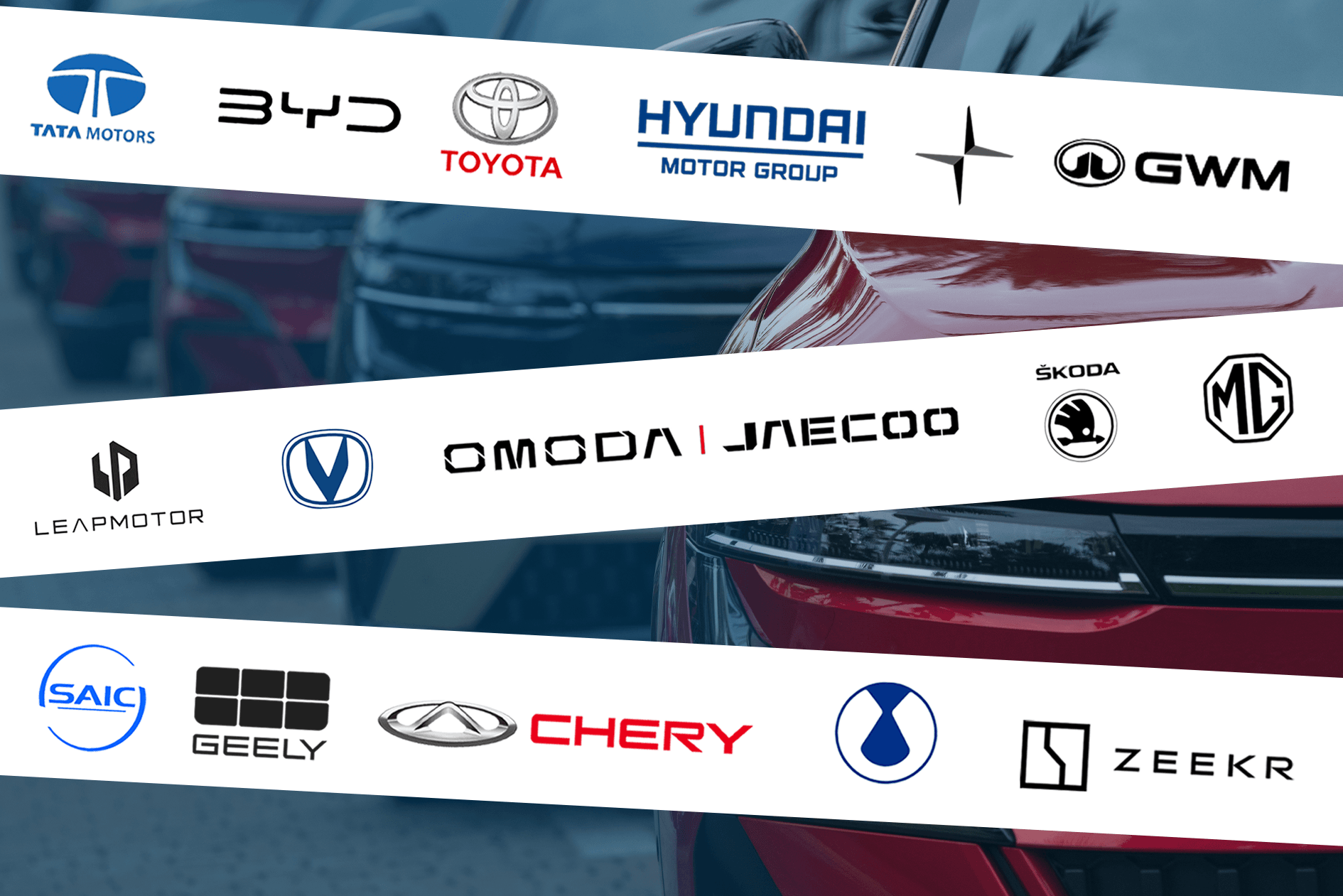
The growth of Chinese manufacturers makes these considerations increasingly relevant.
According to Cox Automotive Chinese brands accounted for just under 18% of Australia’s light vehicle market in 2025, representing more than 210,000 sales. That’s up from 11.5% in 2024 and just 1.7% in 2019.
And the number of options is still growing. Cox Automotive forecasts that at least 90 different Chinese-branded models or nameplates will be available in Australia by the end of 2026, roughly three times the choice available two years earlier.
However, much of the growth among the major Chinese brands has so far come from private buyers rather than fleets.
Private buyers accounted for approximately 80% of BYD sales, 75% of Chery sales and 67% of GWM sales in 2025. Fleet sales, including business, government and rental accounted for around half of the broader Australian market, creating a significant opportunity for these manufacturers to expand further into fleet.
That could put more unfamiliar badges onto fleet shortlists and give businesses greater choice across vehicle types and powertrains.
For fleet managers, the challenge will be determining which of those new options can deliver the operational capability and whole-of-life value their organisations require.
Look beyond the badge
Understanding who owns a vehicle brand can be a useful starting point, particularly as Australia’s automotive market becomes more diverse.
A large parent company may provide access to significant technology, manufacturing capability and investment. But ownership alone doesn’t determine whether a vehicle is right for your fleet.
Local support, servicing, parts availability, warranty coverage, whole-of-life costs and residual values all need to be considered.
As more manufacturers enter the Australian market, looking beyond the badge can help fleet managers compare established and emerging brands on the factors that matter to their organisation.
Fleetcare can help businesses assess their vehicle requirements and consider the operational and whole-of-life factors that influence fleet performance.
Looking at new vehicle options for your fleet? Talk to Fleetcare about finding vehicles that fit your business.